

Elon Musk sets definitive Tesla Cybercab production date and puts a rumor to rest
“The single biggest expansion in production will be the Cybercab, which starts production in Q2 next year.” -Elon Musk
Credit: Teslarati
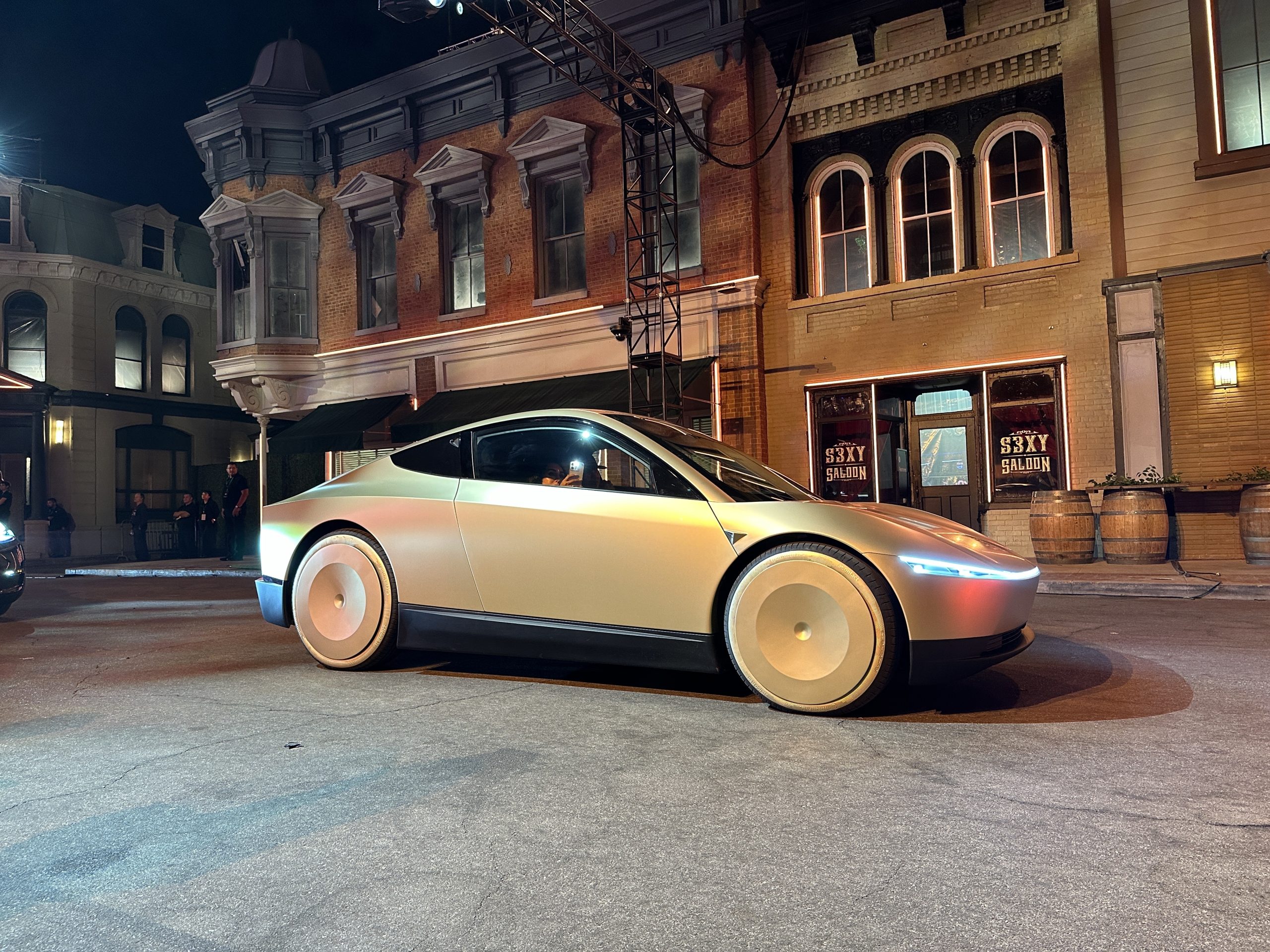
Tesla CEO Elon Musk finally set a definitive date for Tesla Cybercab production and, at the same time, put a substantial rumor regarding the vehicle that has been circulating within the community to rest.
Tesla’s Cybercab was unveiled last October as the company’s two-seater, affordable option that would ultimately be the car used for autonomous travel. It was initially slated for production in late 2025 or early 2026.
However, Tesla has finally said it will start production of the Cybercab in Q2 2026, a more concrete date for the company, as it has moved the entire project forward in recent weeks by testing it at the Fremont Test Track and conducting crash safety assessments.
Musk said on the Q3 2025 Earnings Call:
“The single biggest expansion in production will be the Cybercab, which starts production in Q2 next year. That’s really a vehicle that’s optimized for full autonomy. It, in fact, does not have a steering wheel or pedals and is really an enduring optimization on minimizing cost per mile for fully considered cost per mile of operation.”
In that quote, Musk also put a rumor that has been circulating within the community to rest. Some started to speculate whether Cybercab would be sold with a steering wheel and pedals, as many of the elements of the car seemed to hint toward not being exclusively autonomous, including side mirrors being equipped, among other things.
It has been interesting to see some consider whether Tesla would sell the vehicle with the elements that would enable human control, especially as there have been a handful of images of the vehicle on company property with a steering wheel spotted.
However, Musk doubled down on the autonomous nature of the Cybercab with this confirmation during the earnings call, something that many investors likely wanted to hear because it was, in a way, a vote of confidence for the company’s path to autonomy.
Related Topics:Elon MuskFeaturedTeslaTesla Cybercab

Joey has been a journalist covering electric mobility at TESLARATI since August 2019. In his spare time, Joey is playing golf, watching MMA, or cheering on any of his favorite sports teams, including the Baltimore Ravens and Orioles, Miami Heat, Washington Capitals, and Penn State Nittany Lions. You can get in touch with joey at joey@teslarati.com. He is also on X @KlenderJoey. If you’re looking for great Tesla accessories, check out shop.teslarati.com
Comments
Elon Musk
Tesla CEO Elon Musk confirms Robotaxi safety monitor removal in Austin: here’s when
Musk has made the claim about removing Safety Monitors from Tesla Robotaxi vehicles in Austin three times this year, once in September, once in October, and once in November.
By Joey Klender
Credit: @AdanGuajardo/X
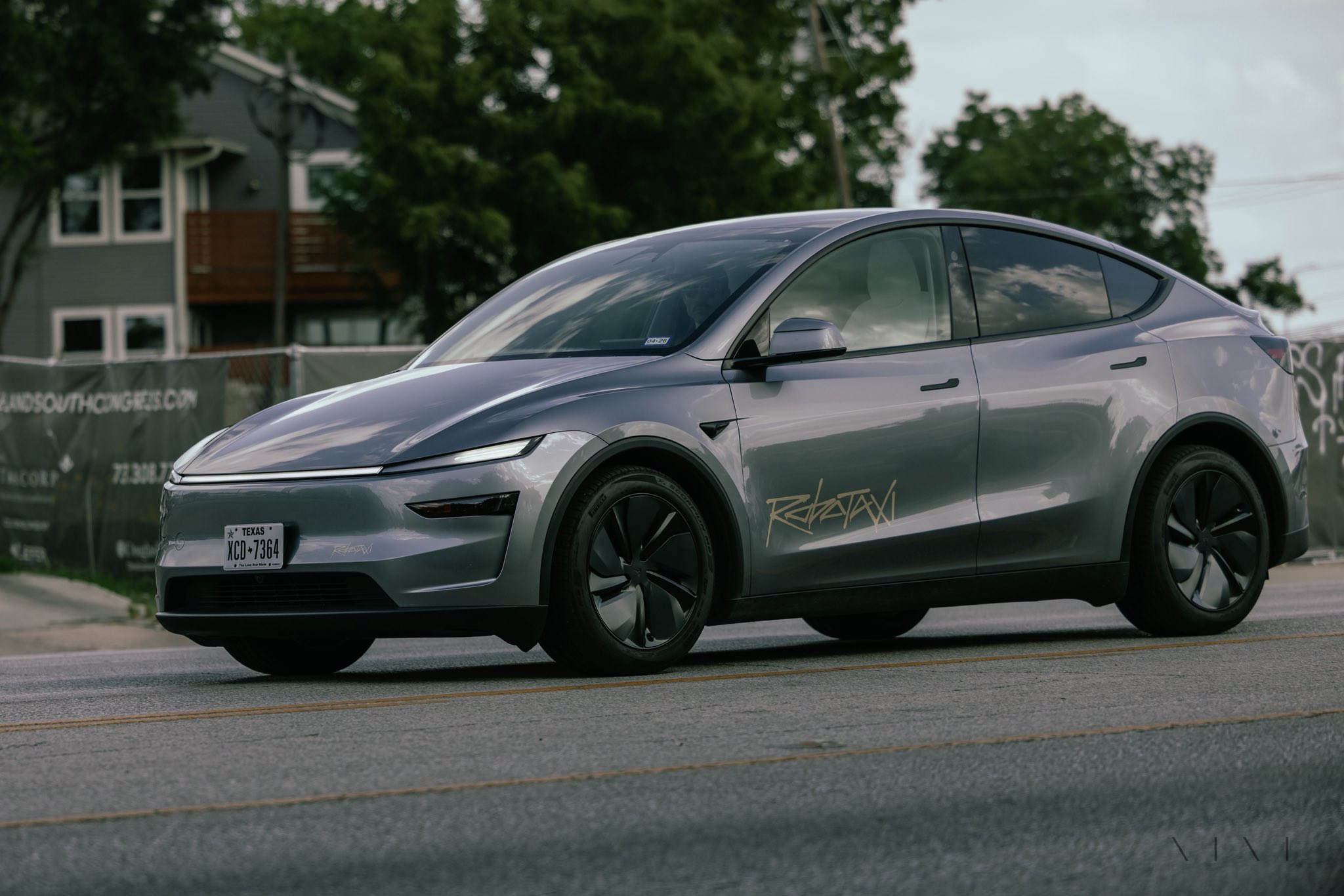
Tesla CEO Elon Musk confirmed on Tuesday at the xAI Hackathon that the company would be removing Safety Monitors from Robotaxis in Austin in just three weeks.
This would meet Musk’s timeline from earlier this year, as he has said on several occasions that Tesla Robotaxis would have no supervision in Austin by the end of 2025.
On Tuesday, Musk said:
“Unsupervised is pretty much solved at this point. So there will be Tesla Robotaxis operating in Austin with no one in them. Not even anyone in the passenger seat in about three weeks.”
Musk has made the claim about removing Safety Monitors from Tesla Robotaxi vehicles in Austin three times this year, once in September, once in October, and once in November.
In September, he said:
“Should be no safety driver by end of year.”
On the Q3 Earnings Call in October, he said:
“We are expecting ot have no safety drivers in at least large parts of Austin by the end of this year.”
Finally, in November, he reiterated the timeline in a public statement at the Shareholder Meeting:
“I expect Robotaxis to operate without safety drivers in large parts of Austin this year.”
Currently, Tesla uses Safety Monitors in Austin in the passenger’s seat on local roads. They will sit in the driver’s seat for highway routes. In the Bay Area ride-hailing operation, there is always a Safety Monitor in the driver’s seat.
Three weeks would deliver on the end-of-year promise, cutting it close, beating it by just two days. However, it would be a tremendous leap forward in the Robotaxi program, and would shut the mouths of many skeptics who state the current iteration is no different than having an Uber.
Tesla has also expanded its Robotaxi fleet this year, but the company has not given exact figures. Once it expands its fleet, even more progress will be made in Tesla’s self-driving efforts.
News
SpaceX reportedly mulling IPO, eyeing largest of all time: report
“I do want to try to figure out some way for Tesla shareholders to participate in SpaceX. I’ve been giving a lot of thought to how to give people access to SpaceX stock,” Musk said.
By Joey Klender
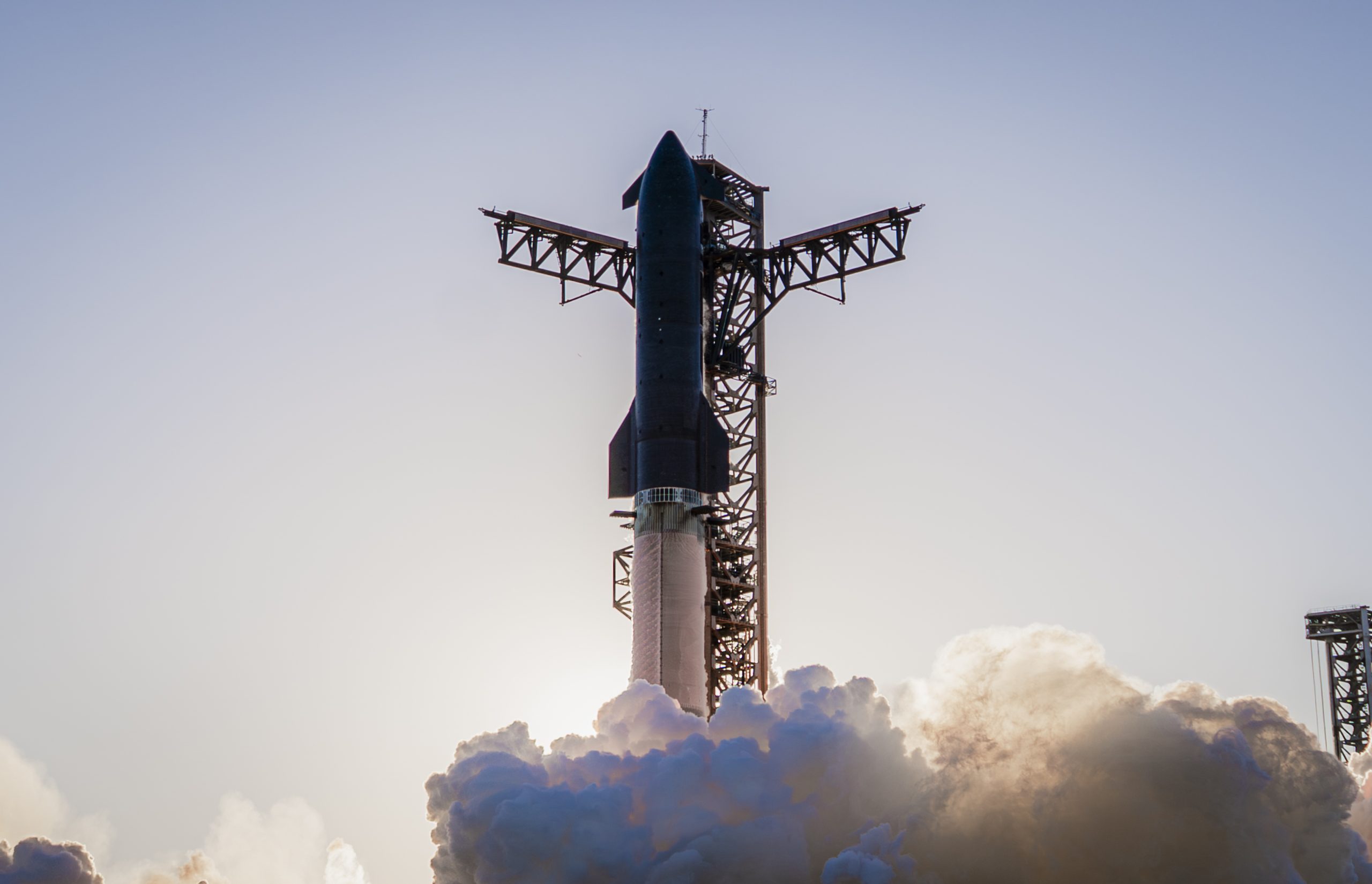
Credit: SpaceX
SpaceX is reportedly mulling an initial public offering, eyeing what would be the largest valuation at the time of availability of all time, a new report from Bloomberg said on Tuesday.
It is one of many reports involving one of Elon Musk’s companies and a massive market move, as this is not the first time we have seen reports of an IPO by SpaceX. Musk himself has also dispelled other reports in the past of a similar nature, including an xAI funding round.
SpaceX and Musk have yet to comment on the report. In the past, untrue reports were promptly replied to by the CEO; this has not yet gained any response, which is a good sign in terms of credibility.
However, he said just a few days ago that stories of this nature are inaccurate:
“There has been a lot of press claiming SpaceX is raising money at $800B, which is not accurate. SpaceX has been cash flow positive for many years and does periodic stock buybacks twice a year to provide liquidity for employees and investors. Valuation increments are a function of progress with Starship and Starlink and securing global direct-to-cell spectrum that greatly increases our addressable market. And one other thing that is arguably most significant by far.”
Musk has discussed a potential IPO for SpaceX in recent months, as the November 6 shareholder meeting, as he commented on the “downsides” of having a public company, like litigation exposure, quarterly reporting pressures, and other inconveniences.
Nevertheless, Musk has also said he wants there to be a way for Tesla shareholders to get in on the action. At the meeting in early November, he said:
“I do want to try to figure out some way for Tesla shareholders to participate in SpaceX. I’ve been giving a lot of thought to how to give people access to SpaceX stock.”
Additionally, he added:
“Maybe at some point., SpaceX should become a public company despite all the downsides of being public.”
Musk has been historically reluctant to take SpaceX public, at times stating it could become a barrier to colonizing Mars. That does not mean it will not happen.
Bloomberg’s report cites multiple unidentified sources who are familiar with the matter. They indicate to the publication that SpaceX wants to go public in mid-to-late 2026, and it wants to raise $30 billion at a valuation of around $1.5 trillion.
This is not the first time SpaceX has discussed an IPO; we reported on it nine years ago. We hope it is true, as the community has spoken for a long time about having access to SpaceX stock. Legendary investor Ron Baron is one of the lucky few to be a SpaceX investor, and said it, along with Tesla, is a “lifetime investment.”
The primary driver of SpaceX’s value is Starlink, the company’s satellite internet service. Starlink contributes 60-70 percent of SpaceX’s revenue, meaning it is the primary value engine. Launch services, like Falcon 9 contracts, and the development of Starship, also play supporting roles.